Real Answers, Written Down.
Every question Antonius has answered in writing — searchable, organized, and growing.

Why Would God Kill David's Firstborn Son By Bathsheba, When David, Arguably Murdered Uriah?
In 2 Samuel 12, the prophet Nathan confronts David concerning his sin with Bathsheba and pronounces a judgment against David that included the death of David and Bathsheba’s infant son. Why would a just God allow an innocent child to die for his father's sin?

What Are The 10 Plagues Of Egypt? How Far Apart Were Each Of The Plagues?
The Ten Plagues of Egypt are described in Exodus 7–12, ten disasters sent by God that ultimately caused Pharaoh to free the Israelite slaves after 400 years of bondage. Each plague was a direct judgment against a specific Egyptian god.

Aurelius Answers: What Happens To The Sinners That Died Before Jesus Christ Came?
All the people who died from the time of Adam to the thief on the cross died believing on the coming Messiah — and gave sacrifices believing Jesus would come. What happened to them, and to those who rejected God before Christ's arrival?

Aurelius Answers: What Happened To The Angels That Lusted After Women On Earth?
Genesis 6 describes the sons of God seeing the daughters of men and taking them as wives, producing giants in the earth. The only distinction between a demon and an angel is that a demon is a fallen angel — an angel no less.

If God Cannot Save Some Sinners Because They Have Free Will, Can We Truly Say He Is Omnipotent?
God's omniscience has nothing to do with His ability to make people do things if it serves His will — yet He exercises restraint. There is a difference between what God knows and can do, and what He will do and why He does it.

How Long Was The Apostle Paul Imprisoned?
Paul was in prison long enough to write the prison epistles — Ephesians, Philippians, Colossians, and Philemon. His two-year period under house arrest in Rome has been narrowed down to the years AD 60–62.
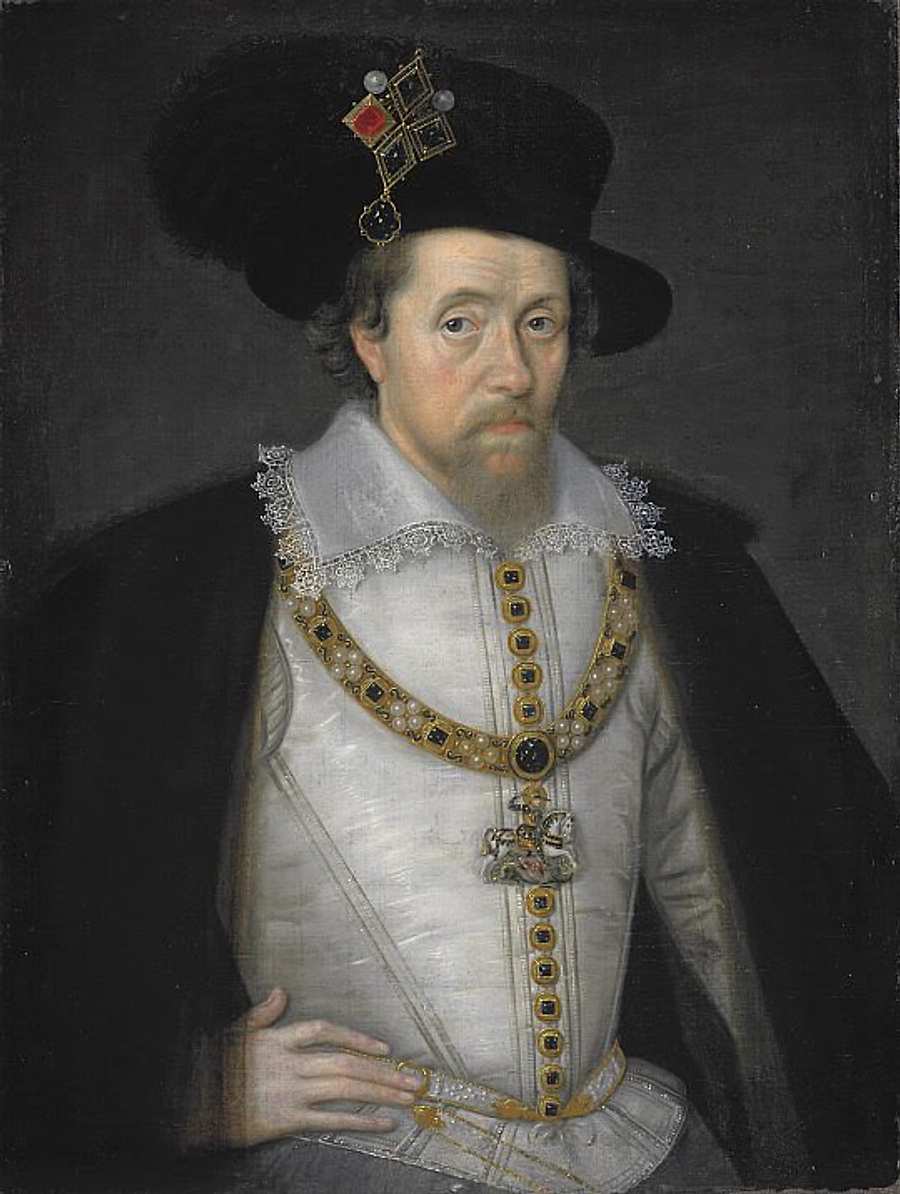
Aurelius Answers: What Was Taken Into Consideration To Create The KJV?
The Bible has been translated into English a number of times — Wiclif in 1380, Tyndale in 1534, the Geneva Bible in 1557 — before King James commissioned 40 translators, organized into six companies, to produce the 1611 KJV from the original Hebrew and Greek.

Aurelius Compares The Codex Sinaiticus, The World's Oldest Bible, With The King James
Our knowledge of the original text of the Bible comes from ancient hand-written manuscripts. Out of about 500 pages in the Greek New Testament, manuscript variations represent only about half of a page — here's how Sinaiticus and Vaticanus compare.

Aurelius Answers: Were Mary And Mary Magdalene The Same Person?
The short answer is no. Mary was a common female name in Israel during the time of Christ — the New Testament mentions six different women named Mary, each with her own distinct story.

Ahab's Reign: The Most Evil King In Israel's History
King Ahab 'did more evil in the eyes of the LORD than any of those before him.' His marriage to Jezebel, his promotion of Baal worship, and his murder of innocent Naboth sealed his doom — and God's judgment came exactly as Elijah predicted.

Does The Word "Amen" Have Ancient Israelite Origins?
The short answer is YES. The Hebrew word translated 'amen' literally means 'truly' or 'so be it.' Nearly half of the Old Testament uses of amen are found in the book of Deuteronomy, and the New Testament writers all use it at the end of their epistles.

Has The Ark Of The Covenant Been Found?
What we know about the Ark of the Covenant is that it was a gold-covered wooden chest described in Exodus as containing the two stone tablets of the Ten Commandments, Aaron's rod, and a pot of manna. Since its disappearance, some 2,000 years ago, any number of theories have arisen about its fate.

What Is The Difference Between Orthodox, Catholic And Christian Churches?
Essentially the Orthodox Church shares much with the other Christian churches in the belief that God revealed himself in Jesus Christ. But the Orthodox Church differs substantially in worship and doctrine from Protestants and Roman Catholics in several key areas.

The Codex Vaticanus And The Codex Sinaiticus Versus The Modern Bible
Our knowledge of the original text of the Bible comes from ancient hand-written manuscripts. Out of about 500 pages in the Greek New Testament, the manuscript variations represent only about half of a page.
Why Did People In Biblical Times Live For Hundreds Of Years?
Something happened at the global flood to shorten men's lifespans. Compare the lifespans before the flood (Genesis 5:1–32) with those after the flood (Genesis 11:10–32). Immediately after the flood, the ages decreased dramatically.

Is Alexander The Great Mentioned In The Bible At All?
The name 'Alexander' or 'Alexander the Great,' referring to the Macedonian king, never appears in the Bible. However, the prophets Daniel and Zechariah wrote prophecies concerning Greece and Alexander's Macedonian Empire two centuries in advance.

Why Do We Tie Christ's Name In With Time Such As A.D. And B.C.?
It is commonly thought that B.C. stands for 'before Christ' and A.D. stands for 'after death.' This is only half correct. A.D. actually stands for the Latin phrase anno domini, meaning 'in the year of our Lord.'