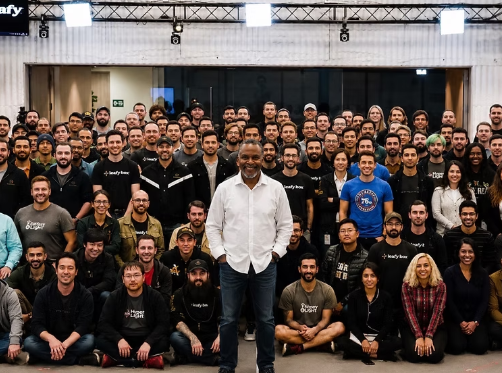
Antonius Aurelius — Research Writer of Biblical Antiquity

Tony writes about Biblical Antiquity for Oxford University and Academia.edu. Tony writes for Got Questions, Medium, Savana East and is published by Simon & Schuster / Pocket Books, Millennium House and Global Book Publishing. His works are available on Amazon, Barnes & Noble and wherever books are sold.
Tony has contributed research for the publications "Christianity" — The Holy Trinity Controversy by Millennium House; "Biblica" — The Revelation of John, Global Book Publishing; and "The Search for King David" — National Geographic.
Other Published Works Include
- Deconstructing Revelation — 'What Christians Believe at World's End'
- Most Popular Bible Questions
- Biblical Antiquity — 'Events That Shaped The Biblical Period'
- The Biblical Codex — The Historical Facts Left Out
Tony has been a thesis advisor for postgraduate students majoring in Theology at Oxford University and advised filmmakers that created biblically based productions.
Film Contributions
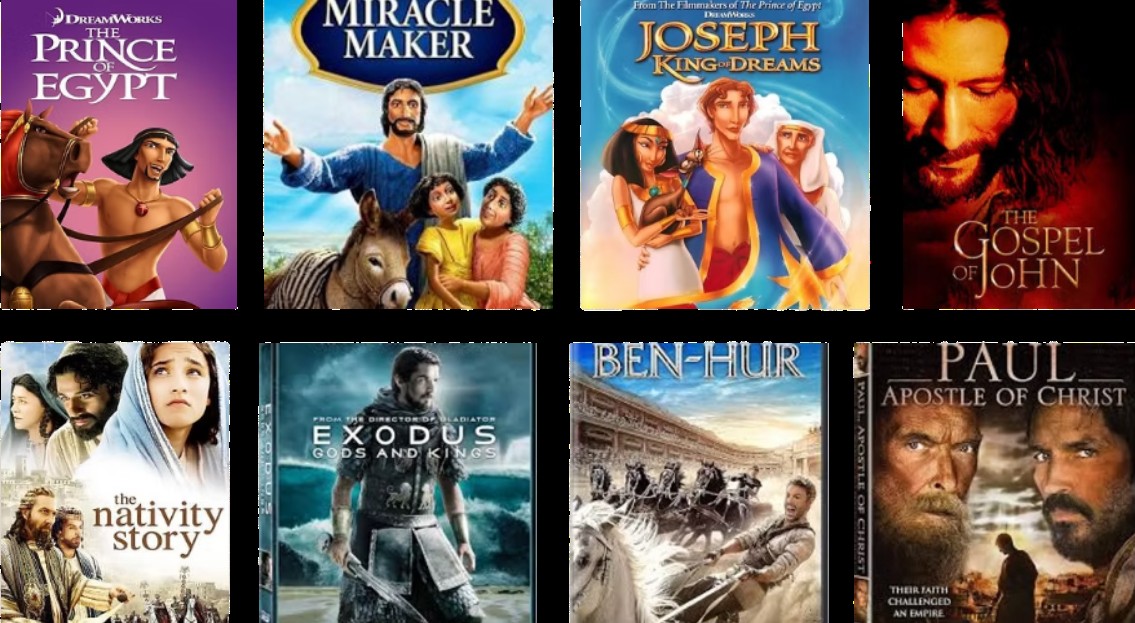
Biblical Film Advisory
- 1998 — Prince of Egypt
- 2000 — The Miracle Maker
- 2000 — Joseph: King of Dreams (Animated Feature)
- 2003 — The Gospel of John
- 2006 — The Nativity Story
- 2014 — Exodus: Gods and Kings
- 2016 — Ben Hur
- 2018 — Paul, Apostle of Christ
Television Contributions

Ancient Secrets of the Bible
In 2007, Tony was the technical advisor on the series Ancient Secrets of the Bible, which scientifically examines the Bible's mysterious and controversial stories, which included:
- The Ark of the Covenant — Lost or Hidden
- Battle of David and Goliath
- The Fiery Furnace
- Samson
- Sodom and Gomorrah
- Walls of Jericho
- Tower of Babel
- Have We Found the Garden of Eden
- Bible Code
- Adam and Eve
- The Rapture
- Did Jesus Journey Beyond the Holy Land
Game Design & Development Contributions
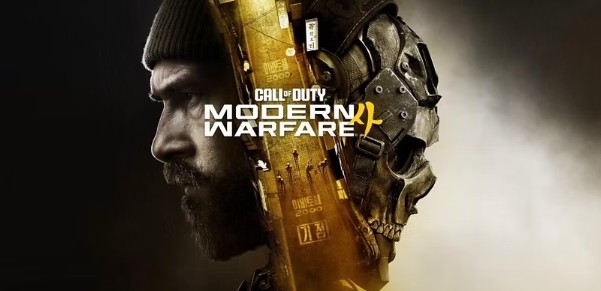
Call of Duty: Modern Warfare 4
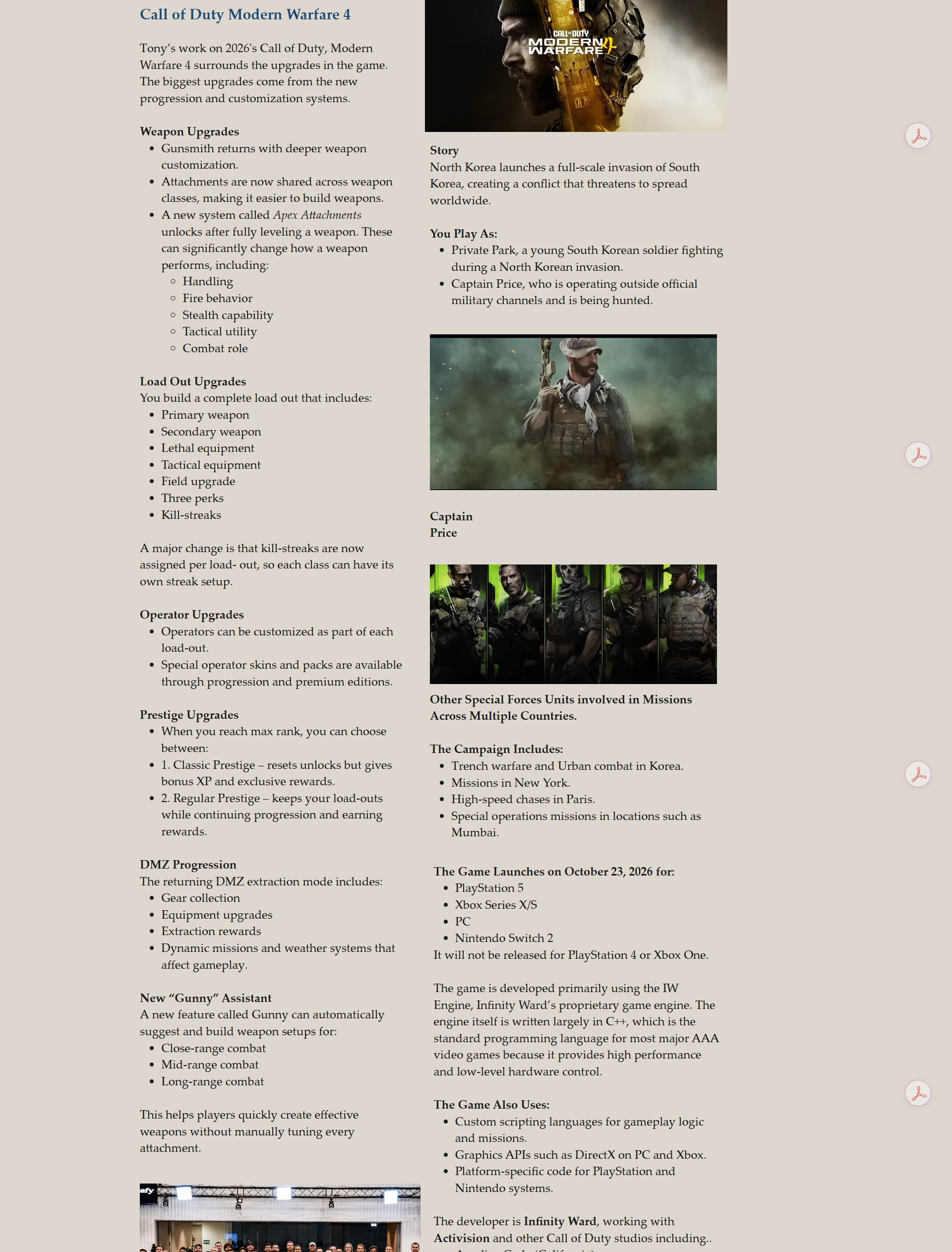
Tony's work on 2026's Call of Duty: Modern Warfare 4 surrounds the upgrades in the game. The biggest upgrades come from the new progression and customization systems.
Weapon Upgrades
- Gunsmith returns with deeper weapon customization.
- Attachments are now shared across weapon classes, making it easier to build weapons.
- A new system called Apex Attachments unlocks after fully leveling a weapon — changing handling, fire behavior, stealth capability, tactical utility, and combat role.
Load Out Upgrades
Build a complete load out including primary weapon, secondary weapon, lethal equipment, tactical equipment, field upgrade, three perks, and kill-streaks. Kill-streaks are now assigned per load-out, so each class can have its own streak setup.
Operator, Prestige & DMZ
Operators can be customized as part of each load-out. At max rank, players choose between Classic Prestige (resets unlocks, bonus XP, exclusive rewards) or Regular Prestige (keeps load-outs while continuing progression). The returning DMZ extraction mode includes gear collection, equipment upgrades, extraction rewards, and dynamic missions and weather systems that affect gameplay.
"Gunny" Assistant
A new feature called Gunny can automatically suggest and build weapon setups for close-, mid-, and long-range combat.
Story
North Korea launches a full-scale invasion of South Korea, creating a conflict that threatens to spread worldwide.
You Play As
- Private Park, a young South Korean soldier fighting during a North Korean invasion.
- Captain Price, who is operating outside official military channels and is being hunted.
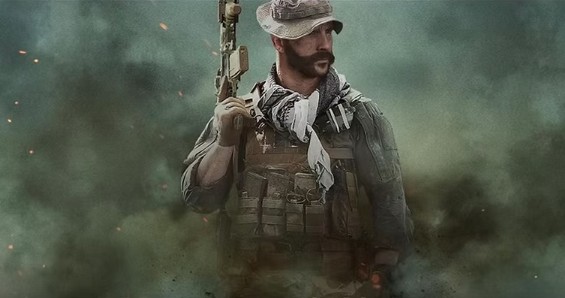
Captain Price
A returning fixture of the Modern Warfare saga, Captain Price anchors the campaign — operating off the grid and pursued by forces on multiple sides as the conflict expands.
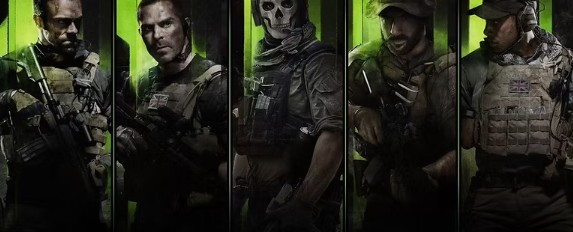
Other Special Forces Units
Other Special Forces Units involved in missions across multiple countries.
The Campaign Includes
- Trench warfare and urban combat in Korea.
- Missions in New York.
- High-speed chases in Paris.
- Special operations missions in locations such as Mumbai.
The Game Launches on October 23, 2026 for
- PlayStation 5
- Xbox Series X/S
- PC
- Nintendo Switch 2
It will not be released for PlayStation 4 or Xbox One.
The game is developed primarily using the IW Engine, Infinity Ward's proprietary game engine, written largely in C++ — the standard for most major AAA video games for its high performance and low-level hardware control.
The Game Also Uses
- Custom scripting languages for gameplay logic and missions.
- Graphics APIs such as DirectX on PC and Xbox.
- Platform-specific code for PlayStation and Nintendo systems.
The developer is Infinity Ward, working with Activision and other Call of Duty studios including Aurelius Code (California), Raven Software (Wisconsin), Beenox (Quebec, Canada), High Moon Studios (California), and Sledgehammer Games (California).
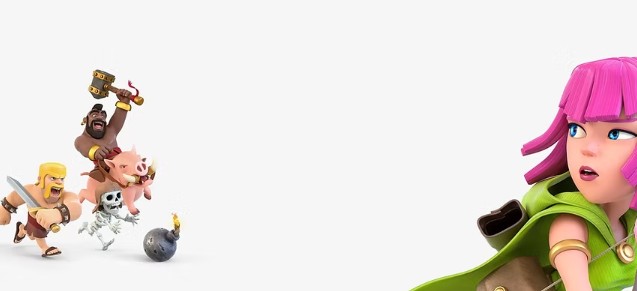
Clash of Clans
Tony developed the monetization plan for Clash of Clans, a mobile strategy video game developed and published by Supercell. It was released for iOS on 2 August 2012, Android on 7 October 2013, and Windows on 23 October 2023.
Clash of Clans became an App Store top-5 download between December 2012 and May 2013, and this success has been described as helping to usher in a new era in single-player gaming on mobile devices. In 2013 it was the third-highest revenue game in the App Store and number one on Google Play. In February 2014 it was reported the game was generating US$654,000 in daily revenue for Supercell. In 2015 it was the top-grossing app on both the App Store and Google Play, with an estimated revenue of $1.5M per day. By 2018 it had amassed 500 million downloads on Google Play and had generated more revenue than any other app on the App Store — over $6.4 billion since launch.
Aurelius — Development Codes Used for Clash
Client side (what runs on your phone) — Objective-C and C handle the main game code on iOS/Android devices. Swift was also used early on for the user interface.
Server side (Supercell's backend) — Java powers the game servers. Supercell later migrated some iOS development to Kotlin and Java using Xamarin for better cross-platform compatibility.
Other tech in the stack — Graphics: 3ds Max, Photoshop, Flash.
Note: Big mobile games often split languages by platform and purpose. C gives high performance for graphics/physics on devices, Objective-C/Swift handle iOS native stuff, and Java runs well on servers. In short: C + Objective-C for the app, Java for the servers.
Boom Beach
Tony again designed the monetization for Boom Beach, a multiplayer online real-time strategy game for iOS and Android, developed by Supercell. It was launched in Canada on 11 November 2013 and released worldwide on 26 March 2014.
Boom Beach is a strategy game that combines attacks on and from other players with attacks against computer-generated (NPC) bases. The game's storyline is set in a tropical archipelago with the player on an island with defenses and troops (similar to Supercell's Clash of Clans).
Same Core Tech as Clash
C++ for the core engine, with Objective-C/Java for platform-specific code — the same stack Supercell used for Clash of Clans.
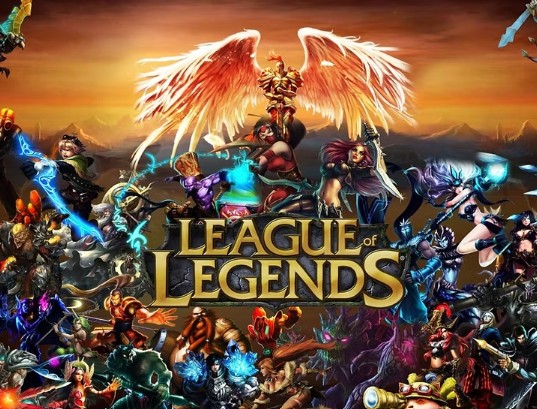
League of Legends
In February 2011, Tencent invested $400 million for a 93 percent stake in Riot Games. In 2012, in response to toxicity and harassment in League of Legends, Riot Games launched a "player behavior team" of psychologists to combat harassment on its platform.
League of Legends Uses Multiple Languages — Core Engine (2009–2012 era)
- C — Primary language for the game engine and performance-critical systems: rendering, physics, real-time gameplay, and anything that needs to run fast.
- Lua — Used heavily for scripting gameplay mechanics, champion abilities, and logic, letting Riot update champions quickly without recompiling the whole game.
Other Tech in the Stack
- C# — Game logic, UI, and tools, especially after Riot moved parts of the front-end to Unity-style workflows.
- JavaScript / HTML5 — The client was rebuilt using Chromium Embedded Framework, so the launcher and UI use web tech.
- Erlang — Chat and messaging systems.
- Python, Java, Go, Ruby — Various backend services and tools.
Early League ran on a custom engine, then Hero Engine was mentioned for some development phases. The key point: the core is C, with Lua for game scripting.
Quick summary: Similar to other big MOBAs and MMOs — C gives the speed for 10 players + hundreds of abilities happening at once, while Lua gives designers flexibility to tweak champions fast.
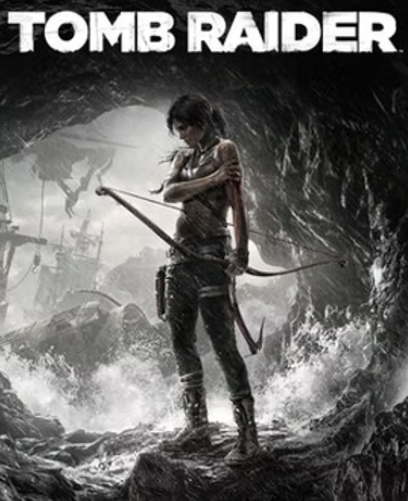
Tomb Raider — Lara Croft
Tony contributed to the design and monetization of the platform game Tomb Raider. A 2013 Action Adventure game developed by Crystal Dynamics and published by Square Enix's European branch. It is the tenth main entry and a reboot of the Tomb Raider series, acting as the first installment in the Survivor trilogy that reconstructs the origins of Lara Croft.
Main Programming Language
C — The 2013 Tomb Raider runs on the Crystal Engine, Crystal Dynamics' proprietary engine, which is written in C like most AAA game engines.
- The game needed high-performance 3D rendering, physics, and the TressFX hair tech that AMD built for it.
- DirectCompute was used for the TressFX hair simulation to unlock GPU parallel processing.
- Real-time physics for Lara's hair treated each strand as a chain with dozens of links.
Other Tech Details
- Engine: Crystal Engine
- Platforms: Originally PS3, Xbox 360, Windows, then ported to Mac, Linux, PS4, Xbox One
- Graphics API: DirectX 9/11 on Windows
Quick summary: The 2013 reboot was built in C using Crystal Dynamics' Crystal Engine, with DirectCompute shaders for advanced effects like TressFX's hair.
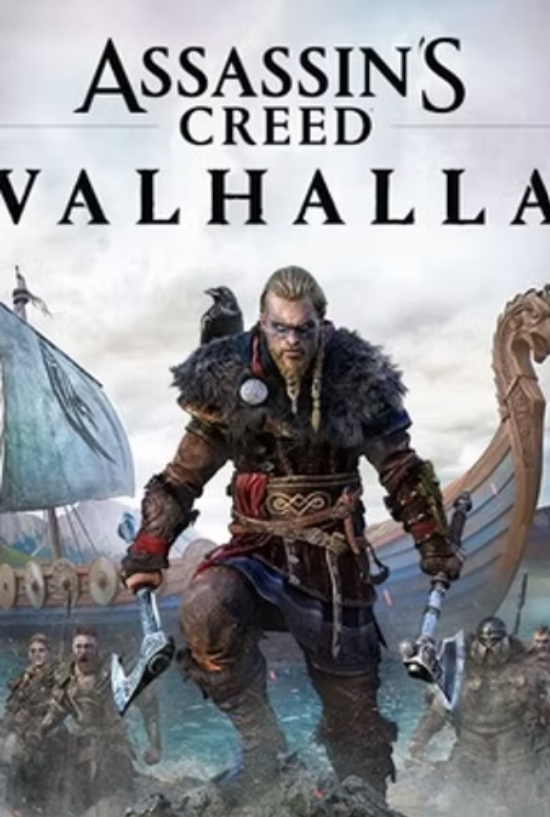
Assassin's Creed Valhalla
Tony contributed to the design and monetization for Assassin's Creed Valhalla, a 2020 action role-playing game developed by Ubisoft Montreal and published by Ubisoft. It is the twelfth major installment in the Assassin's Creed series, and the successor to 2018's Assassin's Creed Odyssey.
Principally set in the years 872–878 AD, the game recounts a Viking fantasy story during their expansions into the British Isles. Players control Eivor Varinsdóttir, a Viking raider who, while attempting to establish a new Viking clan in England, becomes embroiled in the centuries-old conflict between the Assassin Brotherhood, who fight for peace and liberty, and the Templar Order, who desire peace through control.
The game also includes a framing story, set in the 21st century, which follows Layla Hassan, an Assassin who relives Eivor's memories so as to find a way to save the Earth from destruction.
Overall, the game is the second most profitable title in Ubisoft history. It went on to become the fifth best-selling game of 2020 and the sixteenth best-selling game of 2021 in the US. By February 2022, the game had made over $1 billion in revenue.
Game Engine & Core Language
- Engine: Ubisoft Anvil — specifically the version used for Valhalla.
- Programming language: C — the industry standard for AAA game engines. Anvil is Ubisoft's proprietary engine written in C, used across the Assassin's Creed series.
- Platforms: PS4, PS5, Xbox One, Xbox Series X/S, Windows, Stadia.
Like other big open-world games, Valhalla needs the performance of C for its massive map of England and Norway, real-time combat, physics, AI systems, and detailed graphics. Anvil has been evolving since the first Assassin's Creed in 2007 — Valhalla used the latest iteration called "Ubisoft Anvil".
Quick summary: C++ via the Ubisoft Anvil engine. The game also has its own fictional Isu language created by developer Antoine Henry, but that's in-game lore — not the programming language used to build it.