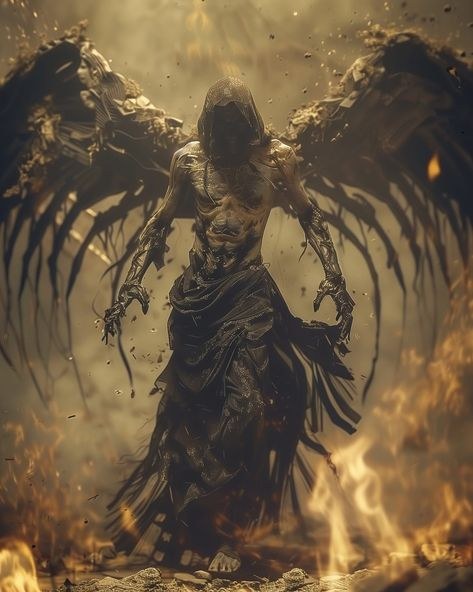
No. Angels have free will like man, but they have no forgiveness as they have no faith. They were created in the presence of God and suffer no memory problems; they know the will of God intimately and have seen His face. For this reason, they have no excuses before God.
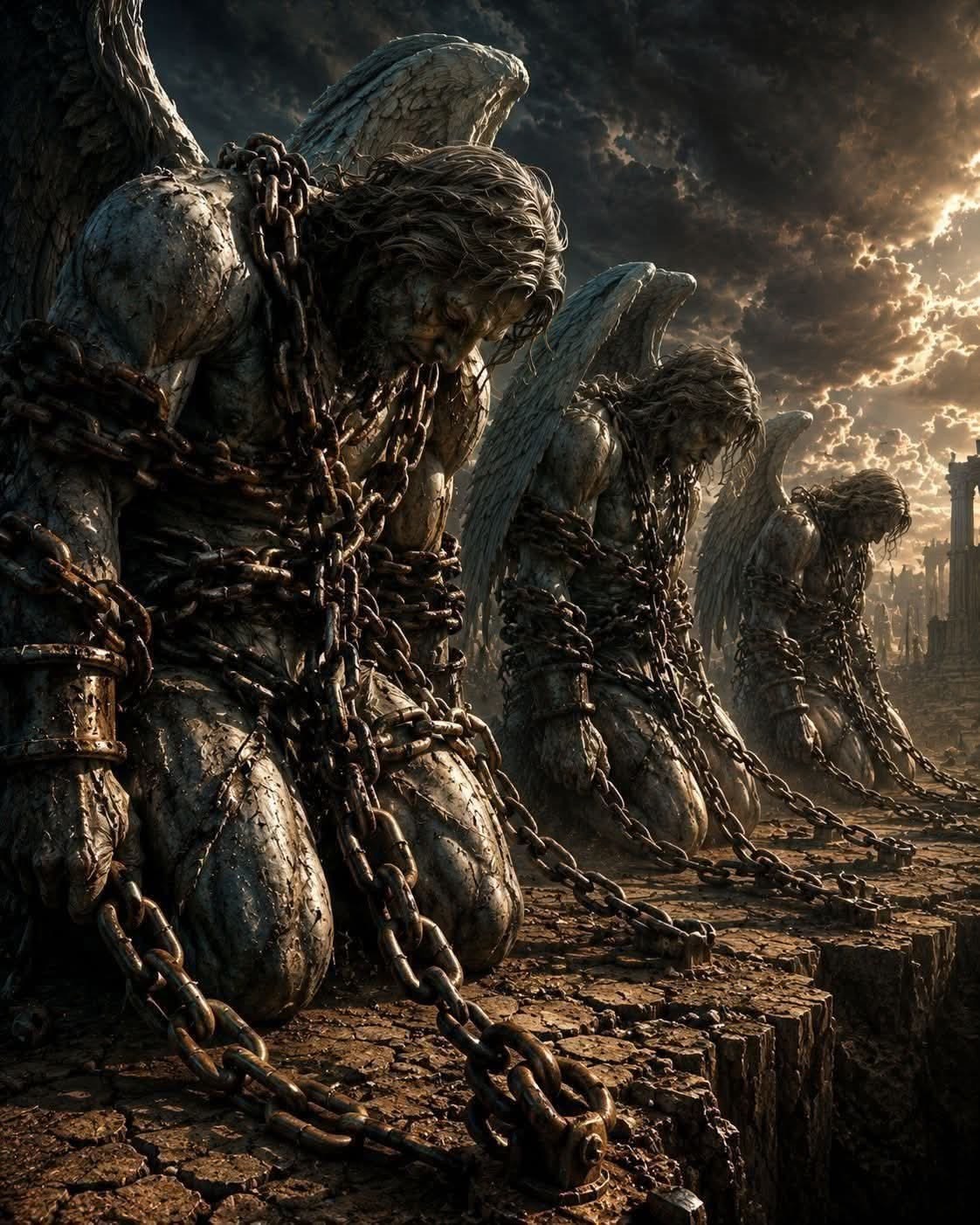
“And the angels which kept not their first estate, but left their own habitation, he hath reserved in everlasting chains under darkness unto the judgment of the great day.”
Jude 6

Will Watchers Be Forgiven?
The Bible does not specifically address the issue of fallen angels having an opportunity to repent, but we can gain some insight from what the Bible does say. First, Satan (Lucifer) was one of the highest-ranked angels in the first choir of angels—Seraphim, Cherubim, and Wheels (Ezekiel 28:14). Lucifer—and all the angels—were continually in God’s physical presence and had knowledge of the glory of God.
Therefore, angels have no excuse for rebelling against God or turning away from Him. For this reason, Lucifer and the third of the angels that joined him and rebelled against God are considered the utmost evil.
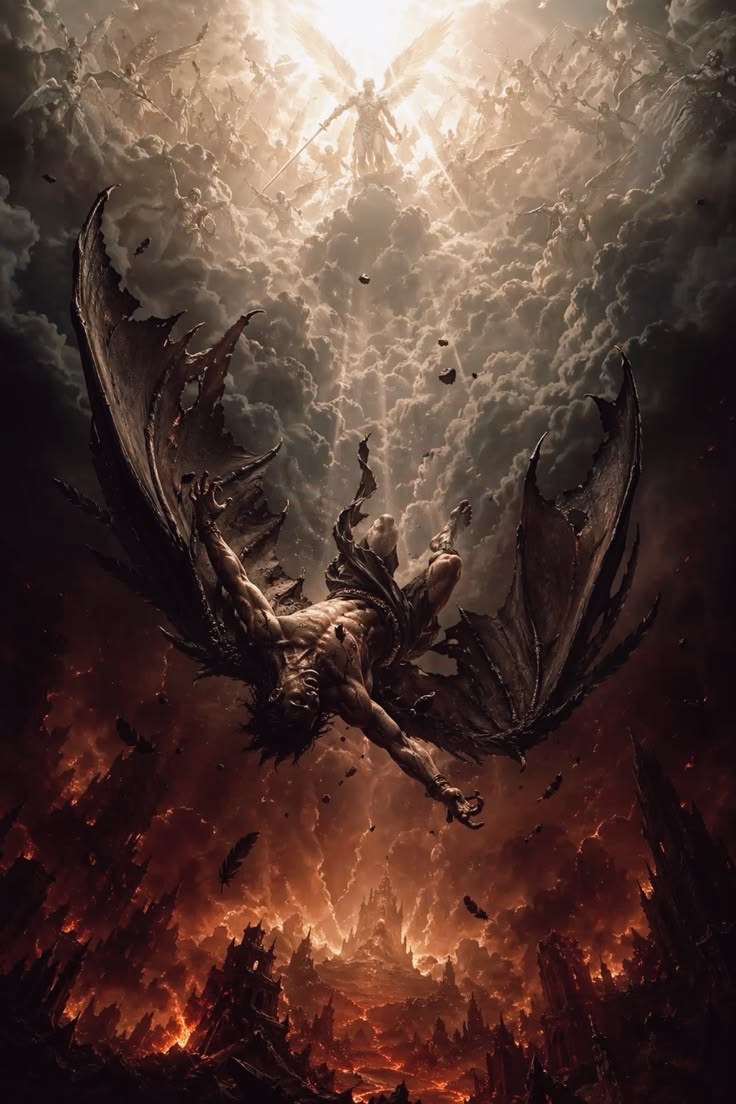
Second, God did not provide a plan of redemption for the angels as He did for mankind. The fall of the human race necessitated an atoning sacrifice for sin, and God provided that sacrifice in the person of Jesus the Christ.
No such sacrifice was planned for the angels. In addition, God referred to those angels who remain faithful to Him as His “elect angels” (1 Timothy 5:21). According to the biblical doctrine of election, demons are not those whom God elects to salvation. For those who will be saved, nothing can separate them from God (Romans 8:38–39).
Finally, the Bible gives no reason to believe that angels or demons would repent even if God gave them the chance (1 Peter 5:8).
The fallen angels were completely devoted to opposing God and attacking God’s people. The severity of God’s judgment varies according to how much knowledge a person possesses.
“But he that knew not, and did commit things worthy of stripes, shall be beaten with few stripes. For unto whomsoever much is given, of him shall be much required: and to whom men have committed much, of him they will ask the more.”
Luke 12:48
The fallen angels, then, with the great knowledge they possess, are greatly deserving of God’s wrath (Jude 6).

In the early hours of October 16, 1946, ten condemned Nazi war criminals were hanged for crimes against humanity. None showed so much as a trace of remorse. No final regret or last-minute apology was uttered from the scaffold. On the contrary, one of them, Julius Streicher, whose incendiary attacks against Jews had fueled mob violence and anti-Semitic persecution, shouted, “Heil Hitler,” as he ascended the steps to the platform where the hangman waited (Manchester Guardian, 10/17/1946).
These ten were rebels to the end. The higher the creature, the greater its capacity for evil. A madman can wreak more havoc than a mad dog, and a fallen angel more than an evil man. While Hitler and his unrepentant henchmen were guilty of plunging the world into a bloody, six-year war, Satan and his army of demons have been waging a full-scale attack against God and His people since the fall of mankind.
All instances of suffering can be traced to Satan. His fingerprints can be found in every cemetery, prison, abortion clinic, crime scene, drug cartel, pornography studio, and wherever human degradation is found. He wields considerable influence in every nation’s capital. He holds a seat in many corporate boardrooms. He serves as a regent in most of the world’s colleges and universities. He knows his way around a movie set, a newspaper editorial board, a back-alley drug deal, and, regrettably, a growing number of church pulpits. Satan is relentless, and Scripture teaches he will be a rebel to the end.
Why Doesn’t God Forgive Satan?
Satan does not want God’s forgiveness. He has no desire for divine mercy. Satan’s singular goal is conquest; his chief ambition is to rule the whole of creation (Isaiah 14:12–14). His methods and ploys are many:
- He is the author of temptation (Genesis 3:1–5).
- He is the architect of evil works (1 John 3:8).
- He is a murderous liar (John 8:44).
- He inspires greed and dishonest gain (Acts 5:3).
- He falsely accuses God’s people (Job 1; Zechariah 3:1–2).
- He is a vicious, well-armed combatant (Ephesians 6:11–16).
- He can enter into and possess the lost (Luke 22:1–6).
- He persecutes the saints (Revelation 2:10).
- He can perform supernatural signs and wonders (2 Thessalonians 2:9).
Based on the prophetic teachings of the Bible, the worst is yet to come.
During a tumultuous time known as the seventieth week of Daniel—commonly referred to as the tribulation period—Satan will install a puppet ruler, the Antichrist, who will bring temporary peace and prosperity before showing his true colors (see Matthew 24; 2 Thessalonians 2:1–12; Revelation 13).
Satan will be bound and held captive during the thousand-year reign of the Christ over the earth in Jerusalem (Revelation 20:1–6).
There have been human lawbreakers who repented of their crimes and became followers of Christ while in prison. The loss of one’s liberties and the harsh realities of incarceration have motivated many to accept forgiveness and salvation. God has actually never turned away a repentant sinner, regardless of the magnitude of his or her crime. Yet there are those who, like the Nazi war criminals, will resist the Lord until the bitter end.
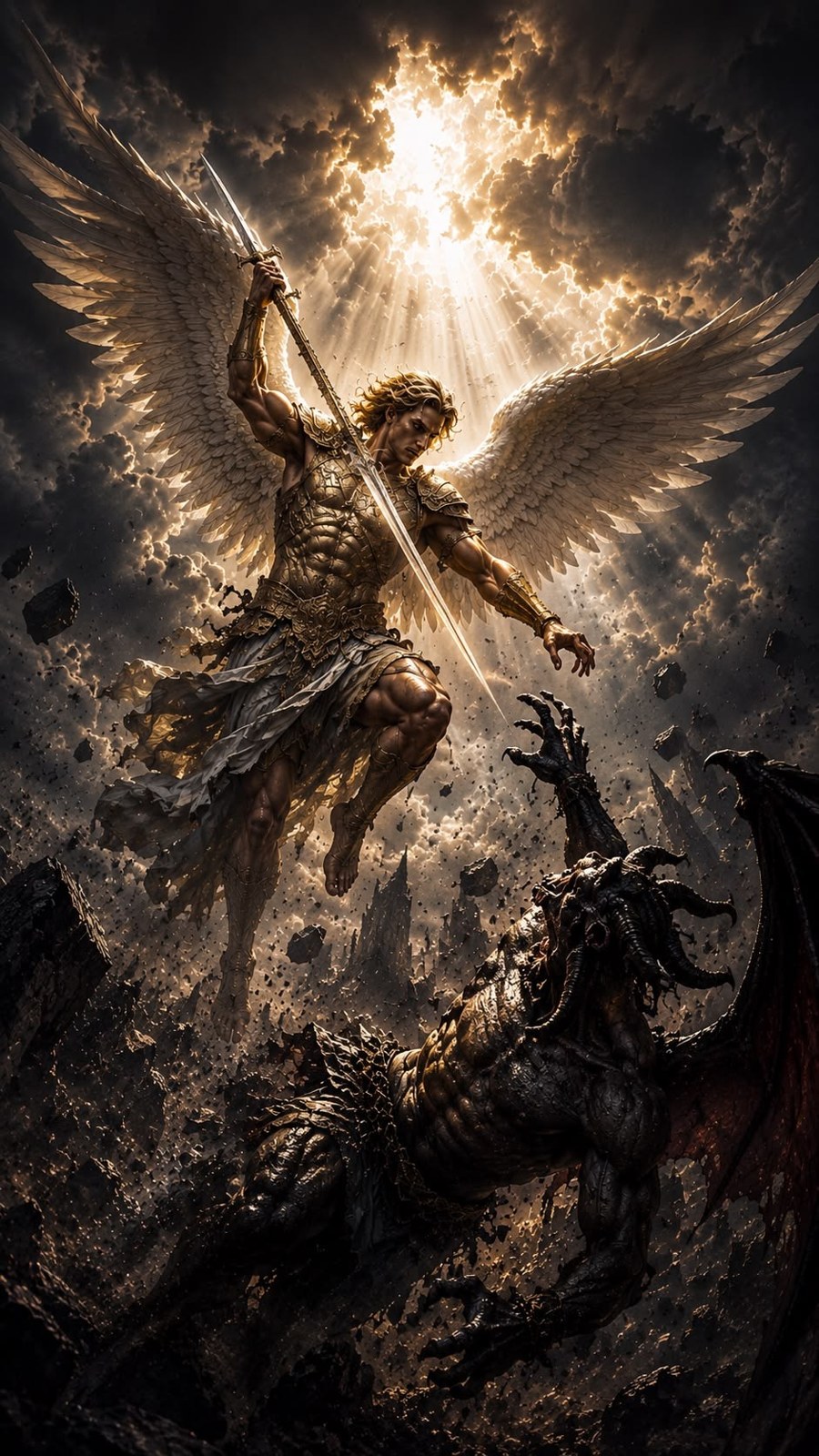
And Satan, even after a thousand years in chains, will refuse to wave the white flag of surrender; on the contrary, he will be eager to resume his battle against God and His people:
“And when the thousand years are ended, Satan will be released from his prison and will go out to deceive the nations that will be in the four corners of the earth. The number of people he deceives will be as the sands of the sea.”
Revelation 20:7–10
Why doesn’t God forgive Satan? One reason is that Satan will never repent. His heart is perpetually fixed on evil; he cannot be mended, only destroyed.
